

PHARMACOKINETICS 101
Bioavailability and the First-Pass Effect
Many oral pharmaceutical drugs lose a large fraction of their dose to first-pass metabolism: after absorption, the liver breaks them down before they reach systemic circulation, which is why their oral doses are often far larger than their intravenous doses.
Calcium is not a drug. It is an essential mineral the body absorbs in the gut and regulates through its own homeostatic system, rather than a compound cleared by hepatic drug metabolism. This gives the SAC® formula, a highly soluble ionic form of calcium, a fundamentally different absorption and tolerability profile from pharmaceutical drugs.
[IMAGE PLACEHOLDER]
Suggested: IV vs. oral dose comparison diagram
WHAT IS BIOAVAILABILITY?
Bioavailability (F) is the fraction of an administered dose that reaches systemic circulation in active form. A drug given intravenously has a bioavailability of 100%. An identical drug taken orally usually has a lower bioavailability, because some of it is lost during absorption and metabolism before it ever reaches circulation. Bioavailability is the reason two products containing the "same" amount of an ingredient can deliver very different amounts to the body.
[IMAGE PLACEHOLDER]
Suggested: hepatic first-pass metabolism diagram (portal vein → liver → systemic circulation)
WHAT IS THE FIRST-PASS EFFECT?
The first-pass effect is the metabolism of an orally administered drug by the liver before it reaches systemic circulation. After absorption from the GI tract, drugs travel through the portal vein directly to the liver, where a significant portion can be broken down — sometimes dramatically, with oral doses needing to be many times larger than the equivalent intravenous dose.
DRUG vs MINERAL
Do Minerals Like Calcium Undergo First-Pass Metabolism?
No. Calcium is not subject to hepatic first-pass drug metabolism the way many pharmaceuticals are. It is an essential mineral, not a xenobiotic compound the liver is built to break down and clear. Its bioavailability is governed instead by solubility and intestinal absorption, and by the body's own tightly regulated calcium homeostasis.
Pharmaceutical Drug
A story of loss: how much of the dose survives the liver before reaching the bloodstream.
Calcium (SAC®)
A story of uptake: how efficiently it's absorbed in the gut and integrated into the body's own regulatory system.
HOW SAC® IS DIFFERENT
How Is the SAC® Formula Absorbed?
SAC® formula is a highly soluble, ionic form of calcium developed by Marah Natural, a Canadian supplement company in British Columbia. Because absorption of calcium is limited primarily by solubility, an ionic form is designed to be taken up efficiently in the gut, with the goal of delivering a meaningful physiological contribution at a lower elemental dose than conventional, poorly soluble salts such as calcium carbonate.
[IMAGE PLACEHOLDER — Wide]
Suggested: SAC® product shot or ionic calcium dissolution / absorption diagram
Does SAC® have the same side-effect profile as a drug? No, and this is the central point. SAC® is not a pharmaceutical drug; it is a highly absorbable form of an essential mineral the body already uses and regulates. It does not carry the drug-style pharmacology or the dose-dependent metabolic side effects that come from a compound being processed by the liver's drug-metabolizing enzymes. When taken within recommended amounts, SAC® is formulated to be gentle and well-tolerated.
That is a genuinely different profile from pharmaceutical drugs, but it is not the same as zero effect. Calcium is biologically active by definition, and any calcium taken far above the recommended intake can raise blood calcium or contribute to kidney stones. The honest, and more credible, positioning is this: SAC® is designed to give the body calcium in a form it absorbs efficiently and tolerates well, without the pharmacological baggage of a drug.
SIDE BY SIDE
SAC® vs. Pharmaceutical Drugs: How They Behave in the Body
| Attribute | Many Oral Pharmaceutical Drugs | SAC® Formula |
|---|---|---|
| What it is | A xenobiotic compound | An essential mineral the body already uses |
| Main bioavailability limit | First-pass hepatic (and gut-wall) metabolism | Solubility and intestinal absorption |
| Metabolized / cleared by the liver | Often extensively | Not via drug-metabolizing pathways |
| Regulated by the body | No — depends on dosing | Yes — active calcium homeostasis |
| Side-effect character | Dose-dependent pharmacologic effects | Mainly GI tolerance; excess intake raises blood calcium |
| Oral vs. IV dose | Oral often much larger to offset first-pass loss | Absorption managed by form, not first-pass |
Bioavailability and first-pass concepts per standard clinical pharmacokinetics. Calcium tolerability per Straub 2007 and Li et al. 2018 (see references).
Frequently Asked Questions
Bioavailability, First-Pass Metabolism, and SAC®
No. Calcium is an essential mineral absorbed in the intestine and regulated by the body's own calcium homeostasis. It is not broken down by the liver's drug-metabolizing enzymes, so it does not undergo the first-pass metabolism that reduces the bioavailability of many oral drugs.
Because of the first-pass effect. An oral drug is absorbed into the portal circulation and passes through the liver, which can metabolize a large fraction before it reaches the bloodstream. A larger oral dose compensates for that loss, while an intravenous dose bypasses the liver entirely.
Solubility is the main factor. Poorly soluble forms like calcium carbonate require stomach acid and are absorbed less efficiently, so larger elemental doses are used. More soluble, ionic forms are designed to be absorbed more readily at a lower dose.
No. Higher intake does not produce proportionally greater benefit, and excessive intake can raise the risk of elevated blood calcium and kidney stones. Staying within recommended amounts is safer and sufficient for most people.
GETTING THE MOST FROM SAC®
[IMAGE PLACEHOLDER — Square]
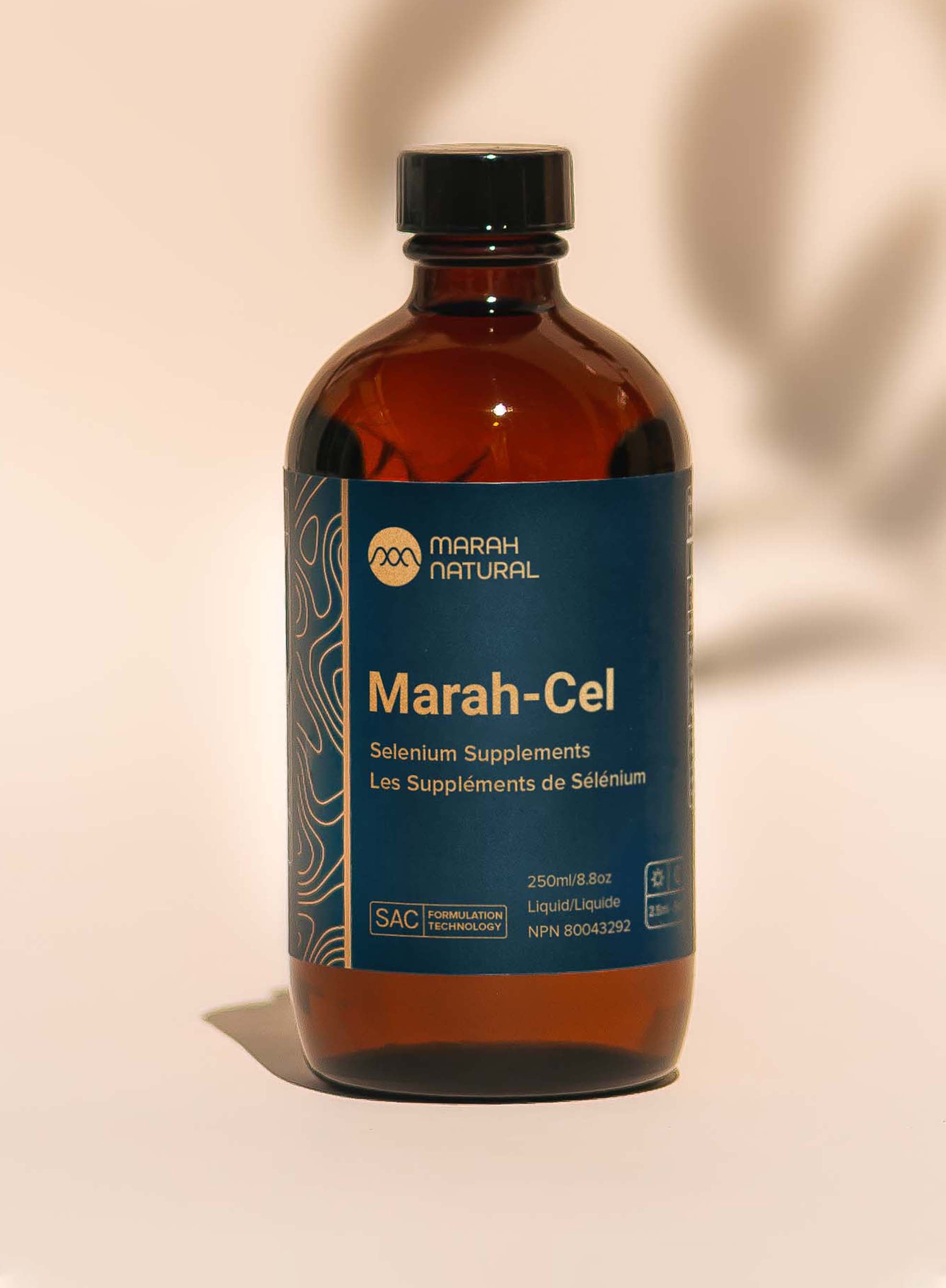
Suggested: SAC® bottle shot or usage scene
Take SAC® within the recommended amount and with adequate water. More calcium is not better; the body uses the right amount, not the largest one.
If you have a history of kidney stones or kidney conditions, or you take other medications, it's worth a quick conversation with your healthcare practitioner, since calcium can interact and intake matters.
Disclaimer
This article explains general pharmacology concepts and is not medical advice. If you take medications or have kidney concerns, speak with your GP, pharmacist, or accredited dietitian before starting a calcium supplement.
References
Standard clinical pharmacokinetics: bioavailability (F), first-pass metabolism, and gut-wall CYP3A4 metabolism. Straub DA. Calcium supplementation in clinical practice: a review of forms, doses, and indications. Nutrition in Clinical Practice. 2007;22(3):286–296. Li K, Wang X-F, Li D-Y, et al. The good, the bad, and the ugly of calcium supplementation. Clinical Interventions in Aging. 2018;13:2443–2452. Tang BML, Eslick GD, Nowson C, et al. Use of calcium or calcium in combination with vitamin D to prevent fractures and bone loss. Lancet. 2007;370(9588):657–666.